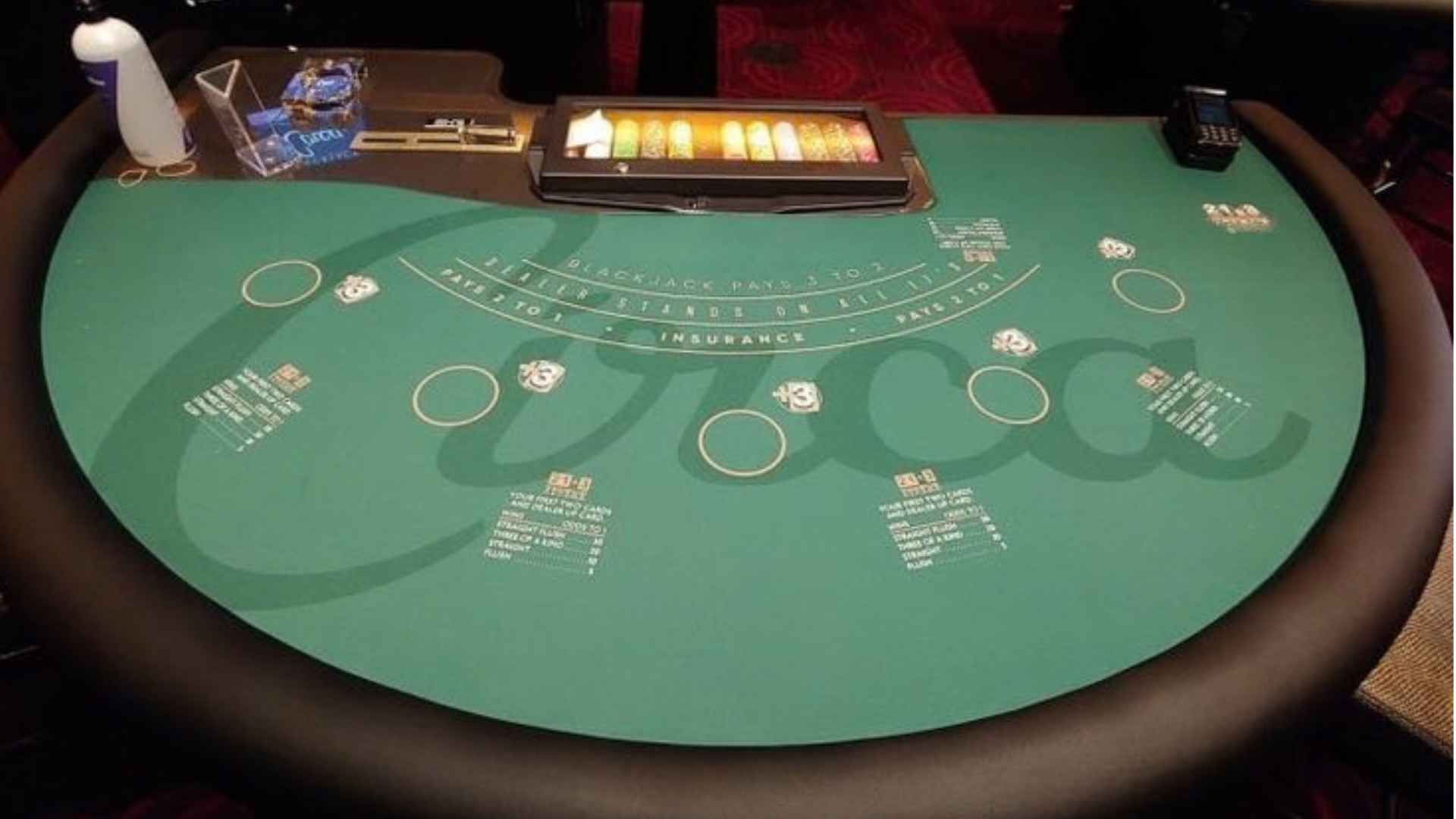
Baccarat tournaments present a unique strategic landscape that goes beyond the standard table dynamics found in traditional casino cash games. Developing a nuanced understanding of these structures is essential for participants looking to secure better competitive outcomes over extended event cycles. As players accumulate real tournament experience, they transition from passive participants into highly adaptive strategists capable of navigating complex leaderboard shifts.
The Mathematical Shift from Cash Play to Tournaments
In standard baccarat, your primary objective is mitigating the house edge through disciplined wagering choices on individual hands. Tournament environments completely invert this dynamic by introducing a fixed round limit and shared chip counts among all active participants. Players must constantly analyze the relative stack sizes of their direct table opponents rather than simply focusing on the card totals.
This structural change requires a highly specialized approach to bet sizing, especially during the crucial late stages of an elimination bracket. Experienced competitors know when to maintain a conservative betting baseline and when to deploy high-variance maximum wagers to overtake a table leader. Mastering these statistical adjustments transforms the traditional game of chance into a calculated test of tactical positioning.
Leveraging Positional Advantages and Deal Mechanics
Table position plays a fundamental role in shaping the strategic progression of a multi-round baccarat event. The movement of the first-bet marker ensures that tactical responsibilities rotate among the participants with every dealt hand. Acting last in a sequence provides an immense informational advantage, allowing you to observe the exact chip commitments of your rivals before finalizing your own wager.
Accumulating tournament experience teaches you how to weaponize this positional data to protect your placement on the leaderboard. For instance, if a trailing opponent bets heavily on the Player side, the table leader can copy the exact wager to neutralize the risk of being overtaken. Utilizing specialized tracking methods on prominent platforms like M88asia can significantly improve your ability to read these evolving table scenarios in real time.
Navigating the Strategic Phasing of Elimination Rounds
A typical baccarat tournament progresses through distinct operational phases, each demanding a completely different competitive mindset. The opening rounds prioritize capital preservation, where the main goal is simply surviving the initial chip volatility without exhausting your resources. Rash decisions and premature aggression during these early deals frequently lead to swift eliminations before the prize thresholds are reached.
As the field narrows toward the semi-finals, the necessary risk parameters shift dramatically based on your current leaderboard standing. Competitors trailing the target benchmark must adopt aggressive, contrarian betting strategies to close the chip gap before time expires. Conversely, stack leaders must focus on defensive blocking wagers designed to absorb the momentum of surging opponents.
Cultivating Mental Discipline for Final Table Pressures
Reaching the final table introduces intense psychological pressure that can easily cloud a player's strategic alignment. Maintaining absolute emotional control during high-stakes swings separates seasoned champions from casual enthusiasts who panic under scrutiny. Every tactical decision must remain rooted in mathematical probabilities rather than emotional reactions to temporary card outcomes.
Developing this level of psychological resilience requires consistent exposure to competitive environments over prolonged periods. Reviewing your historical performance data allows you to isolate strategic inefficiencies and refine your tactical execution for future events. Over time, this disciplined approach builds the muscle memory necessary to achieve sustained competitive success at the highest levels of play.